
Popcorn Ceilings and a Dated Layout? What a Whole-Home Remodel Actually Changes
July 4, 2026
Quick Answer: A whole-home remodel changes more than finishes; it addresses the layout, flow, and dated features of the whole house as a connected project rather than one room at a time. That can mean opening up a closed-off floor plan, removing popcorn ceilings and dated finishes, updating kitchens and baths, improving how rooms connect and how light moves through the house, and bringing systems and surfaces up to date together. The result is a home that works and feels current throughout, with the pieces planned to fit as a whole.
You look around a home built a few decades ago and the dated feeling is everywhere at once, popcorn ceilings overhead, a chopped-up floor plan with small closed-off rooms, a cramped kitchen walled away from everything else, finishes and fixtures from another era. Updating one room helps a little, but the house still feels dated because the issues run throughout. That is the situation a whole-home remodel is built for.
A whole-home remodel is a different kind of project from a single-room update. Instead of refreshing one space, it reworks the house as a whole, the layout, the flow between rooms, the dated features, and the finishes, planned together so the result is cohesive. For a dated home in a desirable area like Maple Valley, it is what turns a house that feels stuck in its era into one that lives and looks the way you want today. Understanding what a whole-home remodel actually changes helps you see why it is more than a series of surface updates. Here is what it really involves.
More Than Finishes: Changing How the Home Works
The biggest difference between a whole-home remodel and a cosmetic refresh is that it changes how the home functions and flows, not just how it looks.
A dated home's problems are often structural to the layout: rooms are small and closed off from each other, the kitchen is isolated, hallways and walls chop up the space, and the house does not flow the way modern living wants it to. New paint and finishes do not fix that, the layout is still the layout. A whole-home remodel can change the layout itself, removing or moving walls, opening rooms to each other, reworking how spaces connect and how you move through the house. That is a fundamentally different result than refreshing surfaces within the existing footprint.
So while a whole-home remodel certainly updates the look, its real power is in addressing how the home works, the flow, the openness, the function, which is usually what makes a dated house feel dated in the first place. You are changing the experience of living in the house, not just its appearance.
Opening Up a Closed-Off Layout
One of the most common goals of a whole-home remodel in an older house is opening up a chopped-up floor plan, and it is worth understanding what that involves.
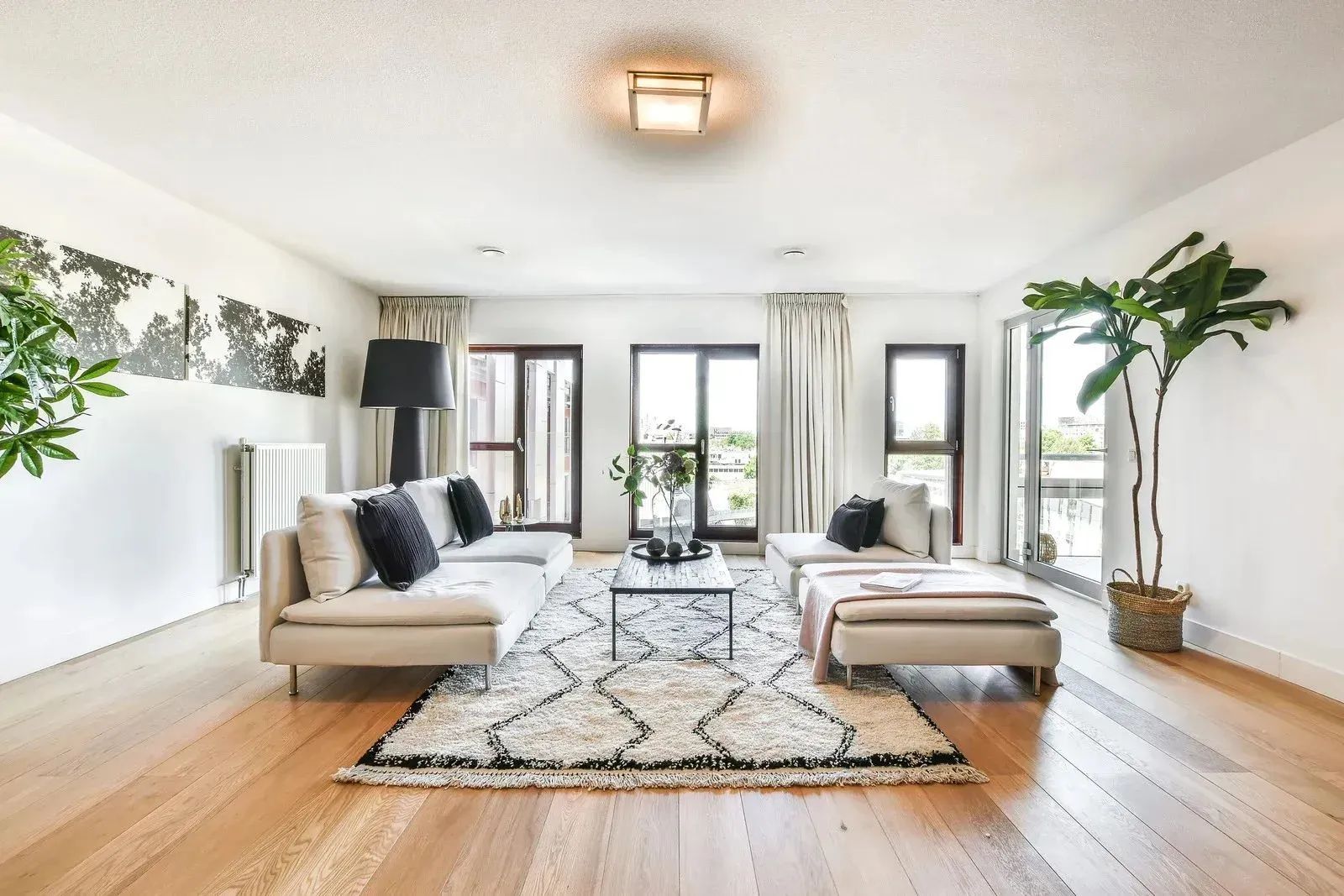
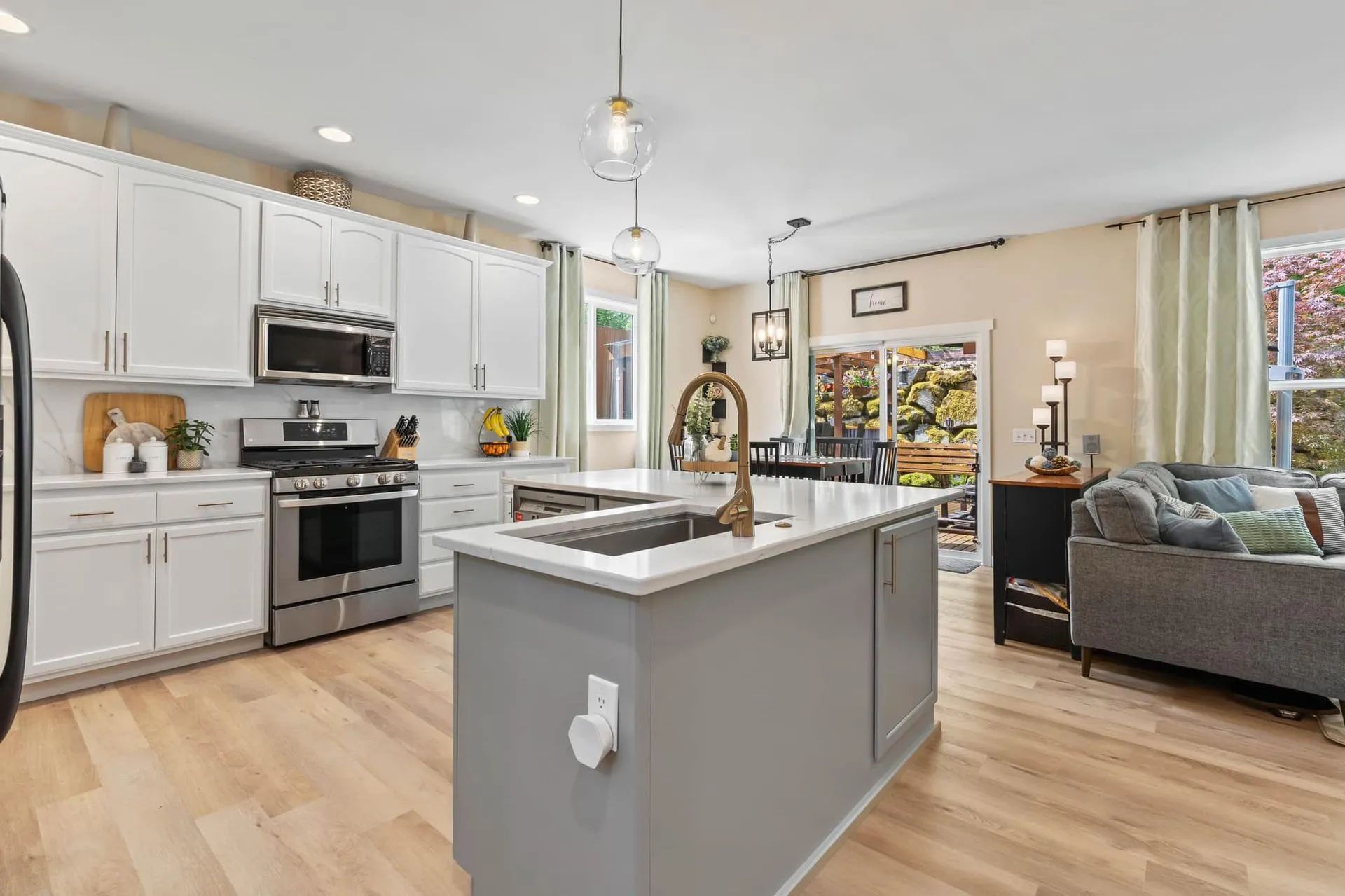
Older homes were often built with separate, walled-off rooms, a closed kitchen, a formal dining room, a separate living room, divided by walls that today feel like they cut the space into small, dim boxes. Opening up the layout means removing or modifying walls to connect those spaces, creating the more open, flowing main living areas people want now, where the kitchen, dining, and living areas relate to each other and light and sightlines carry through.
This is more involved than knocking down a wall, because some walls carry structural load and how the space is reworked has to be planned properly. That is exactly the kind of thing a whole-home remodel handles, reworking the layout thoughtfully and soundly so the opened-up space is both what you want and structurally right. The payoff is a home that feels larger, brighter, and more connected, often the single biggest change people notice.
Tip
Before a remodel, spend time noticing how you actually live in and move through your home, where it feels cramped, dark, or cut off, which rooms you avoid, and where everyone ends up gathering. That lived experience is more useful to a remodeler than a wish list of features, because it points to what the layout should do for you. The best whole-home remodels start from how you want the home to function, then design the changes to deliver it.
Clearing Out the Dated Features
Alongside the layout, a whole-home remodel addresses the dated features and finishes throughout the house, the things that mark its era, as part of one coordinated update.
Popcorn ceilings
Those textured ceilings are a classic dated feature, and removing them for smooth, modern ceilings noticeably updates the whole feel of a room. Across a whole house, it is a change people feel immediately.
Dated kitchens and bathrooms
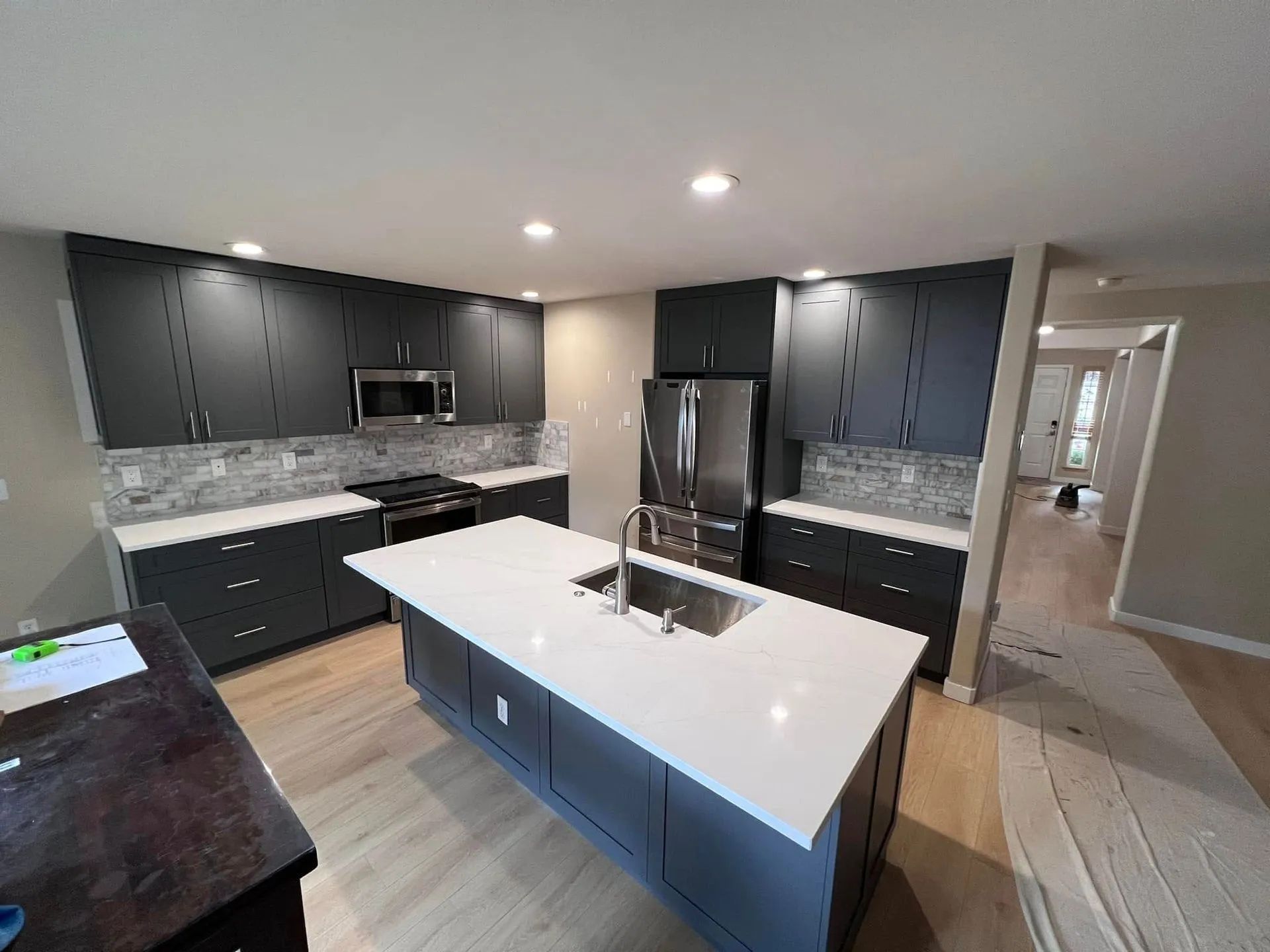
Kitchens and baths show their age fastest, and updating them, layout, cabinetry, surfaces, fixtures, is usually central to a whole-home remodel. These are the rooms that most define whether a home feels current.
Old finishes and fixtures throughout
Flooring, trim, doors, lighting, and fixtures from a previous era all contribute to the dated feeling. Updating them house-wide, in a coordinated style, brings the whole home into the present.
Improving light and connection
Beyond removing walls, a remodel can improve how natural light moves through the home and how spaces connect, making it feel brighter and more open.
Because these are handled together as one project, the result is cohesive, the finishes, the updated rooms, and the new layout all work as a unified whole rather than a patchwork of updates done piecemeal over the years. That coherence is a key advantage of remodeling the whole home at once.
Why Doing It as One Project Matters
It might seem easier to update room by room over time, and sometimes that is the right path, but doing a whole-home remodel as one coordinated project has real advantages worth understanding.
When the whole home is remodeled together, everything is planned to fit, the layout, the flow, the finishes, and the style are coordinated so the finished home is cohesive rather than a collection of rooms updated in different years and tastes. Changes that affect multiple rooms, like opening up the main living areas or running new work through the house, are far more efficient to do at once than to revisit repeatedly. And the disruption of construction happens in one concentrated period rather than over and over as you tackle one room at a time for years.
The trade-off is that a whole-home remodel is a larger project to plan and undertake at once. But for a house that feels dated throughout, doing it as one well-planned project is usually what delivers the cohesive, finished result, a home that works and feels current everywhere, rather than a house perpetually half-updated. Good planning and an experienced remodeler are what make a project of that scope go smoothly.
Warning
A whole-home remodel that involves changing the layout, especially removing walls, isn't a job for guesswork. Some walls carry structural load, and removing or altering them without proper planning and support can compromise the house. Layout changes, along with any electrical, plumbing, or structural work a remodel touches, should be planned and done correctly by experienced professionals so the opened-up, updated home is sound as well as beautiful. The scope is exactly why an experienced remodeler matters.
Frequently Asked Questions
What does a whole-home remodel actually change?
More than finishes, it reworks the house as a whole: the layout and flow between rooms, dated features like popcorn ceilings, the kitchen and baths, and finishes throughout, all planned together. It can open up a closed-off floor plan, improve how light and spaces connect, and bring the look and function of the entire home up to date cohesively.
How is it different from updating one room at a time?
A whole-home remodel addresses the house as a connected project, so the layout, flow, finishes, and style are coordinated into a cohesive result. Room-by-room updates over years tend to leave a patchwork of different tastes and don't fix layout problems that span the house. Doing it together is also more efficient for changes that affect multiple rooms.
Can a remodel really open up my closed-off floor plan?
Yes, that's one of the most common goals. Removing or modifying walls connects separate rooms into the open, flowing living areas people want today, letting light and sightlines carry through. Because some walls are structural, it has to be planned and built properly, which is exactly what a whole-home remodel is set up to handle.
Is removing popcorn ceilings worth it?
For the dated feeling, very much so. Popcorn ceilings are a hallmark of an older home's era, and replacing them with smooth ceilings noticeably modernizes each room. Across a whole house, it's one of the changes people notice and feel most, which is why it's commonly part of a whole-home remodel.
Why do it all at once instead of over time?
Doing it together means everything is planned to fit, so the finished home is cohesive rather than a mix of updates from different years. Multi-room changes like opening the living areas are far more efficient done at once, and the construction disruption happens in one period instead of repeatedly. For a home dated throughout, it usually delivers the better, more finished result.
Is a whole-home remodel a big undertaking?
It's a larger project than a single room, so it takes more planning and happens over a concentrated construction period. But for a house that feels dated everywhere, doing it as one well-planned project is what delivers a cohesive, current home throughout. An experienced remodeler is what keeps a project of that scope organized and on track.
How long does a whole-home remodel take?
It varies widely with the scope, the size of the home, and how much the layout changes, so there's no single answer. The key point is that it happens over one concentrated construction period rather than the repeated disruption of tackling rooms one at a time for years. An experienced remodeler can give you a realistic timeline once the scope is clear.
A Home That Feels Current Throughout
Popcorn ceilings and a dated, closed-off layout are not problems you fix with paint, they run through the whole house, which is exactly what a whole-home remodel is built to address. Rather than refreshing one room, it reworks the layout and flow, opens up closed-off spaces, clears out the dated features, and updates the finishes throughout, all planned together so the result is cohesive. For a dated Maple Valley home, that is the difference between a house that still feels stuck in its era and one that lives and looks the way you want today, everywhere you go in it.
Turn a dated, closed-off house into a home that works throughout — Popcorn ceilings and a chopped-up layout run through the whole house, which is why a whole-home remodel, opening up the floor plan, clearing dated features, and updating finishes together, delivers more than any room-by-room refresh. With 12 years of experience, Beach Boys Construction plans and builds home remodeling services across Maple Valley, Washington, reworking layout, flow, and finishes into one cohesive, current home. Reach out to talk through your remodel and reimagine how your home lives.