
Is Custom Home Building Worth It? Pros, Cons & Key Considerations
May 5, 2026
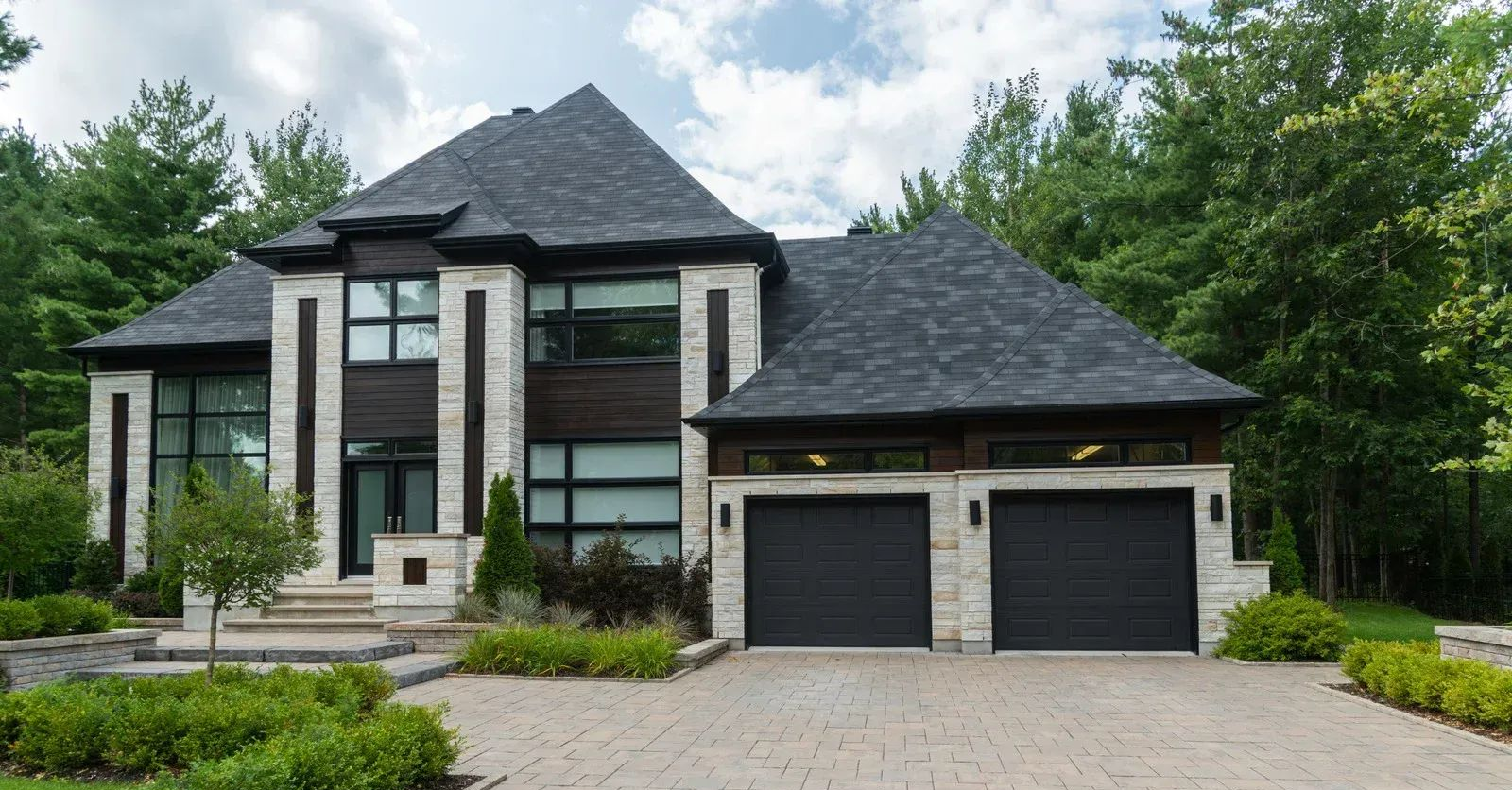
Building a home is one of the most significant investments anyone can make. For many, the idea of purchasing an existing property may seem simpler, but the allure of a custom-built home offers unmatched flexibility, personalization, and long-term satisfaction. Custom home building allows homeowners to create a living space that truly reflects personal preferences, lifestyle requirements, and aesthetic vision. From the layout and materials to finishes and energy-efficient systems, every detail can be tailored, ensuring that the resulting property meets functional and emotional needs. However, with these benefits come considerations that can influence both the budget and the construction experience. Understanding the full scope of custom home building is crucial before making such a commitment.
The decision to pursue a custom home requires a careful assessment of financial, logistical, and emotional factors. While the potential rewards are substantial, challenges such as cost management, construction timelines, and design complexity can affect the overall experience. This blog provides an in-depth exploration of the pros and cons of custom home building, practical considerations, and expert insights to help homeowners make informed decisions. By examining the real-world implications and benefits of custom-built homes, readers gain a clear perspective on whether this approach aligns with their goals and expectations.
1. Understanding Custom Home Building
What Defines a Custom Home?
A custom home is a property designed and constructed from the ground up according to the homeowner’s specifications. Unlike pre-built or spec homes, which are designed for rapid sale, custom homes prioritize personalization and control. From architectural style to interior layout, the homeowner determines the overall vision, ensuring the property fits both functional requirements and personal taste.
Customization extends to structural elements, such as the number of bedrooms and bathrooms, ceiling heights, and room orientation, as well as finishes like flooring, cabinetry, and countertops. Modern technology also enables the integration of smart home systems, energy-efficient appliances, and sustainable materials, creating a home that combines luxury with practical performance.
Types of Custom Builds
Custom homes can vary widely depending on the level of involvement and design freedom. Some homeowners choose full custom builds, starting from a blank lot and creating every detail from scratch. Others may prefer semi-custom homes, which use pre-designed floor plans that can be adjusted with selected modifications. Each approach has unique advantages: full custom homes offer total creative freedom, while semi-custom builds can reduce time and complexity without sacrificing personalization.
2. Pros of Custom Home Building
Personalization and Design Freedom
One of the primary advantages of building a custom home is complete control over design choices. Every element, from room layout to window placement, can be tailored to maximize natural light, functionality, and comfort. Personalization ensures that spaces align with lifestyle needs, whether that includes home offices, gyms, or expansive kitchens for entertaining.
For example, homeowners with specific accessibility requirements can incorporate universal design principles, while families seeking a multi-generational living arrangement can create private suites and communal areas suited for all ages. This level of customization is rarely achievable with pre-built homes.
Long-Term Cost Efficiency
While the initial investment may be higher, a well-planned custom home can reduce long-term expenses. Energy-efficient systems, insulation, and sustainable materials lower utility bills and maintenance costs over time. Additionally, building with modern materials and technologies often extends the home’s lifespan, reducing the need for frequent repairs or upgrades.
Quality Control and Materials
Custom homes provide the opportunity to select high-quality materials and trusted construction methods. This control allows for better durability and fewer compromises compared with mass-produced or speculative homes. Attention to detail in areas such as structural integrity, water management, and craftsmanship ensures a lasting, reliable property.
Increased Property Value
Custom homes are often positioned as premium properties, offering unique features and superior design. When properly executed, these homes can achieve higher resale value compared to standard properties, particularly in neighborhoods with limited availability of custom-built homes.
3. Cons of Custom Home Building
Higher Initial Costs
The most obvious drawback of custom home building is the higher upfront cost. Land acquisition, architectural design fees, permitting, and labor expenses can add significantly to the budget. High-end materials and personalized features also contribute to increased expenditures compared with existing homes.
Extended Timelines
Custom builds require careful planning and construction, which can extend project timelines. Weather, supply chain issues, and design changes may cause delays, potentially prolonging the move-in date. Homeowners must remain patient and flexible while construction progresses.
Complexity of Decision-Making
Custom home building involves numerous choices, from design layouts to finishes and structural details. This decision-making process can be overwhelming, particularly for first-time homeowners or those unfamiliar with construction practices. Every choice can affect the budget, timeline, and overall outcome, requiring careful consideration and planning.
Potential for Unexpected Costs
Despite meticulous budgeting, unforeseen expenses can arise during construction. Site-specific challenges, changes in material costs, or code updates can increase overall costs. Homeowners must prepare for contingencies and maintain flexibility in financial planning.
4. Key Considerations Before Committing
Budget and Financing
Establishing a clear budget is essential before beginning a custom build. Beyond land purchase and construction costs, homeowners should account for permits, design fees, landscaping, furniture, and contingencies. Financing options may include construction loans, which differ from standard mortgages, so understanding the process in advance helps avoid financial surprises.
Choosing the Right Location
Site selection plays a critical role in the feasibility and long-term value of a custom home. Factors such as proximity to work, schools, amenities, and neighborhood development should be considered. Site conditions, including soil quality, drainage, and topography, influence construction costs and design possibilities. Conducting thorough research and site analysis ensures the property supports the envisioned home.
Selecting a Skilled Builder
A knowledgeable and experienced builder is essential for a successful custom home project. Builders bring expertise in project management, local regulations, and construction techniques. Establishing a clear contract, communication plan, and quality standards mitigates risks and ensures expectations align with reality.
Design and Lifestyle Planning
Homeowners should carefully consider how design choices reflect lifestyle needs. Open-concept spaces may suit entertaining-focused households, while smaller, efficient layouts may better accommodate minimalist living. Factoring in future needs, such as aging in place, growing families, or remote workspaces, helps prevent costly redesigns or renovations later.
5. Common Challenges and How to Overcome Them
Managing Construction Stress
Building a home can be a stressful experience, requiring coordination of design, contractors, and timelines. Clear communication, realistic expectations, and structured planning reduce stress and increase project efficiency. Scheduling regular check-ins and updates ensures the project remains on track.
Balancing Personalization with Budget
Custom homes can quickly become expensive if every feature is upgraded without consideration. Prioritizing must-have elements versus optional luxuries helps maintain financial balance. For example, investing in durable flooring or energy-efficient windows provides long-term savings, while decorative features can be adjusted based on budget constraints.
Navigating Permits and Regulations
Construction projects involve zoning, permits, and building codes that vary by location. Engaging professionals familiar with local regulations prevents delays or legal issues. Early consultation with architects and builders ensures that designs comply with safety, environmental, and municipal standards.
Handling Supply Chain and Material Availability
Material shortages and delivery delays can disrupt construction timelines. Planning ahead and identifying multiple suppliers reduces risk. Choosing readily available alternatives without compromising quality ensures continuity and prevents cost escalations.
6. Best Practices for a Successful Custom Home Build
Start with Clear Goals
Defining clear goals and priorities from the outset helps guide design decisions. Creating a wish list, considering lifestyle requirements, and identifying budget limits streamlines the process and prevents unnecessary changes later.
Engage Professionals Early
Architects, builders, and designers should be involved in the planning stage to provide expert guidance on feasibility, costs, and functionality. Early collaboration ensures design concepts align with construction realities, reducing revisions and surprises.
Emphasize Quality and Sustainability
Prioritizing high-quality materials and sustainable practices enhances both durability and environmental responsibility. Energy-efficient appliances, low-maintenance finishes, and eco-friendly systems contribute to long-term savings and a healthier living environment.
Monitor Progress Closely
Regular site visits and updates from the construction team ensure alignment with expectations. Documenting progress, verifying milestones, and addressing issues promptly reduces the likelihood of delays or miscommunication.
Plan for Future Adaptability
Designing spaces with future adaptability in mind allows the home to evolve with changing needs. Flex spaces, modular rooms, and flexible layouts extend usability, making the home practical for decades.
Trusted Insights from Experienced Custom Home Builders
Custom home building represents a unique opportunity to create a living space that reflects personal vision, lifestyle, and functional needs. While it involves higher upfront costs, extended timelines, and complex decision-making, the benefits of personalization, quality control, long-term savings, and increased property value often outweigh these challenges. Careful planning, realistic budgeting, expert guidance, and proactive management can mitigate risks and ensure a successful outcome. For homeowners willing to invest time, energy, and resources, a custom-built home delivers unmatched satisfaction, comfort, and adaptability.
At Beach Boys Construction, we bring 12
years of experience in home remodeling and new construction to every project in Maple Valley, Washington. Our focus on quality craftsmanship, transparent communication, and tailored design solutions ensures that every custom home meets the highest standards. By combining expert knowledge with a commitment to client satisfaction, we guide each project from concept to completion efficiently and confidently. Trust in our experience to transform visions into lasting, personalized homes designed to enhance both lifestyle and long-term value.