
Interior vs. Exterior Painting: Why Both Matter for Home Health and Aesthetics
January 5, 2026
A freshly painted home carries more significance than many homeowners realize. Beyond visual appeal, both interior and exterior painting play crucial roles in protecting a property, supporting its longevity, and ensuring a healthier living environment. Paint acts as a barrier against moisture, dust, UV rays, allergens, and premature material deterioration. When chosen and applied correctly, paint can significantly elevate a home’s comfort level, structural performance, and overall atmosphere. This makes painting far more than a cosmetic upgrade; it becomes an essential component of responsible home maintenance.
At the same time, painting is one of the most cost-effective ways to enhance curb appeal, modernize interior spaces, and create an environment that reflects personal style. However, many homeowners focus on only one side of the equation—either inside or outside—without realizing that both contribute equally to the home’s long-term health. Understanding the functional, aesthetic, and protective benefits of each allows homeowners to make informed decisions. Knowing when and how to address interior and exterior painting can improve property value, extend the lifespan of a home’s structure, and create a cohesive, beautiful living space. This blog explores why both areas matter and how they work together to support a healthier, more attractive home.
The Protective Role of Exterior Painting
Shielding Against Weather and Moisture
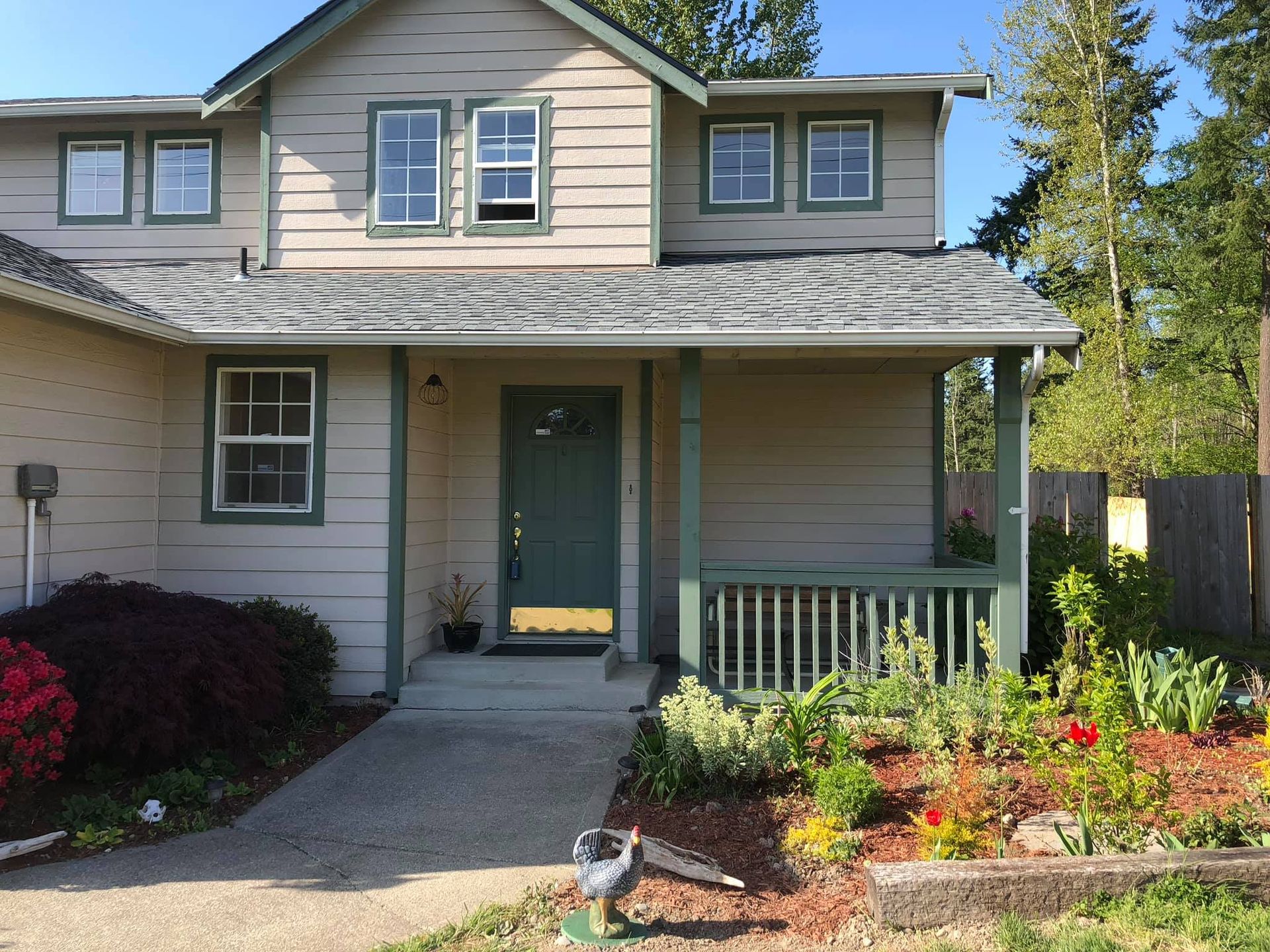
Exterior paint is the first line of defense against environmental factors. Rain, wind, snow, humidity, and UV rays all contribute to the deterioration of siding, trim, and other exterior materials. High-quality paint seals surfaces, preventing moisture infiltration and reducing the risk of mold, mildew, or rot. When exterior surfaces are neglected, even minor cracks can evolve into significant structural issues.
Preventing Fading and Surface Breakdown
Exposure to direct sunlight can cause paint to fade, peel, or crack. Modern exterior paints contain additives that offer UV protection and resist color degradation. This protection ensures your home retains its curb appeal year-round and reduces how often repainting is required.
Enhancing Durability for Different Materials
Exterior painting is not a one-size-fits-all process. Wood, stucco, brick, and fiber cement each require specific primers, coatings, and preparation techniques. Properly applied paint slows deterioration and prolongs the lifespan of these materials. By creating a flexible, breathable coating, paint helps the home adapt to seasonal temperature changes without cracking.
Aesthetic and Functional Benefits of Interior Painting
Creating a Healthy Indoor Environment
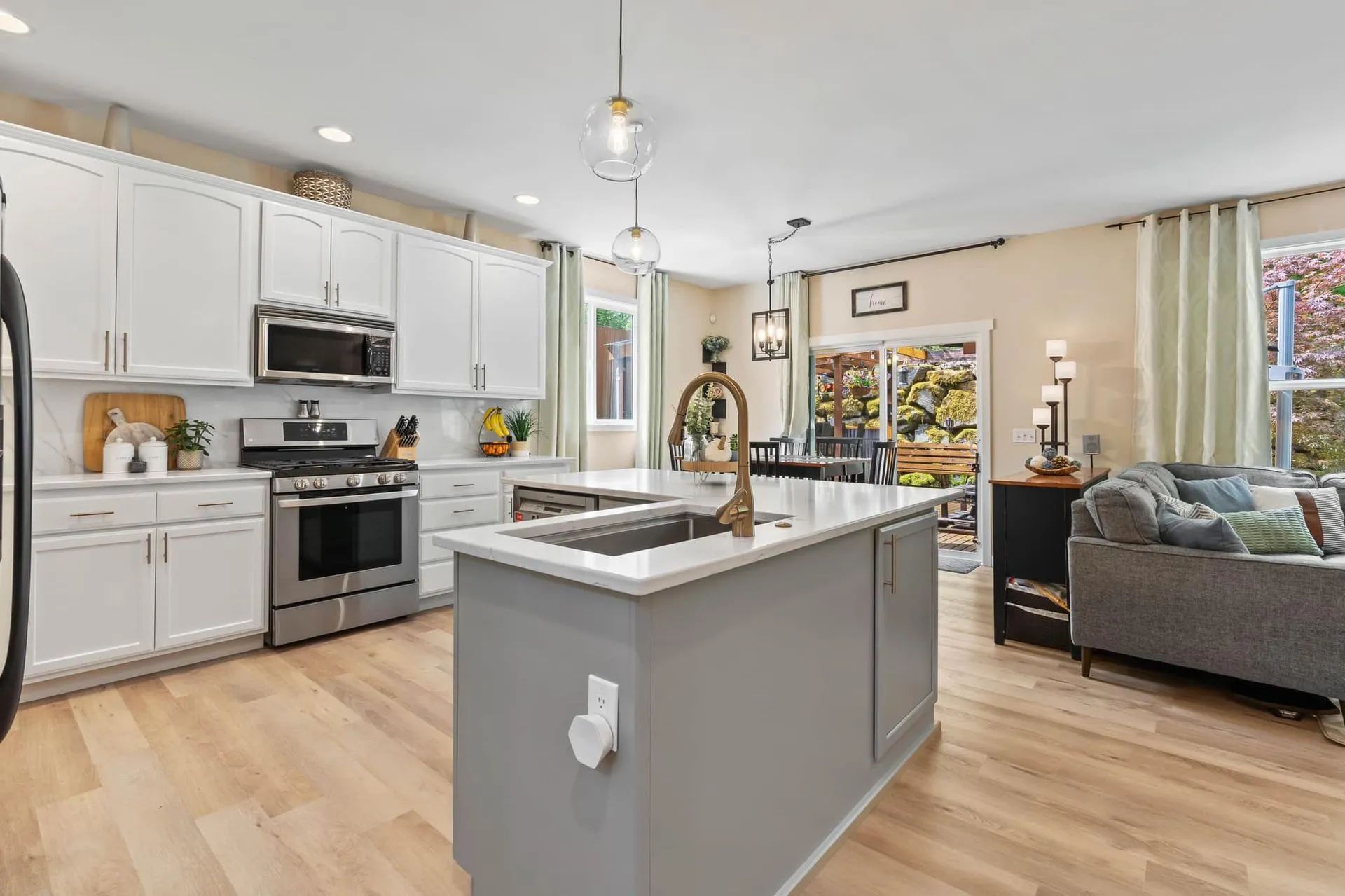
Interior walls absorb dust, allergens, and odors over time. Repainting helps seal these contaminants and introduces clean, low-VOC coatings that improve indoor air quality. Many modern interior paints are formulated to resist mold and mildew, especially in high-moisture areas such as bathrooms, laundry rooms, and kitchens.
Enhancing Comfort and Personal Expression
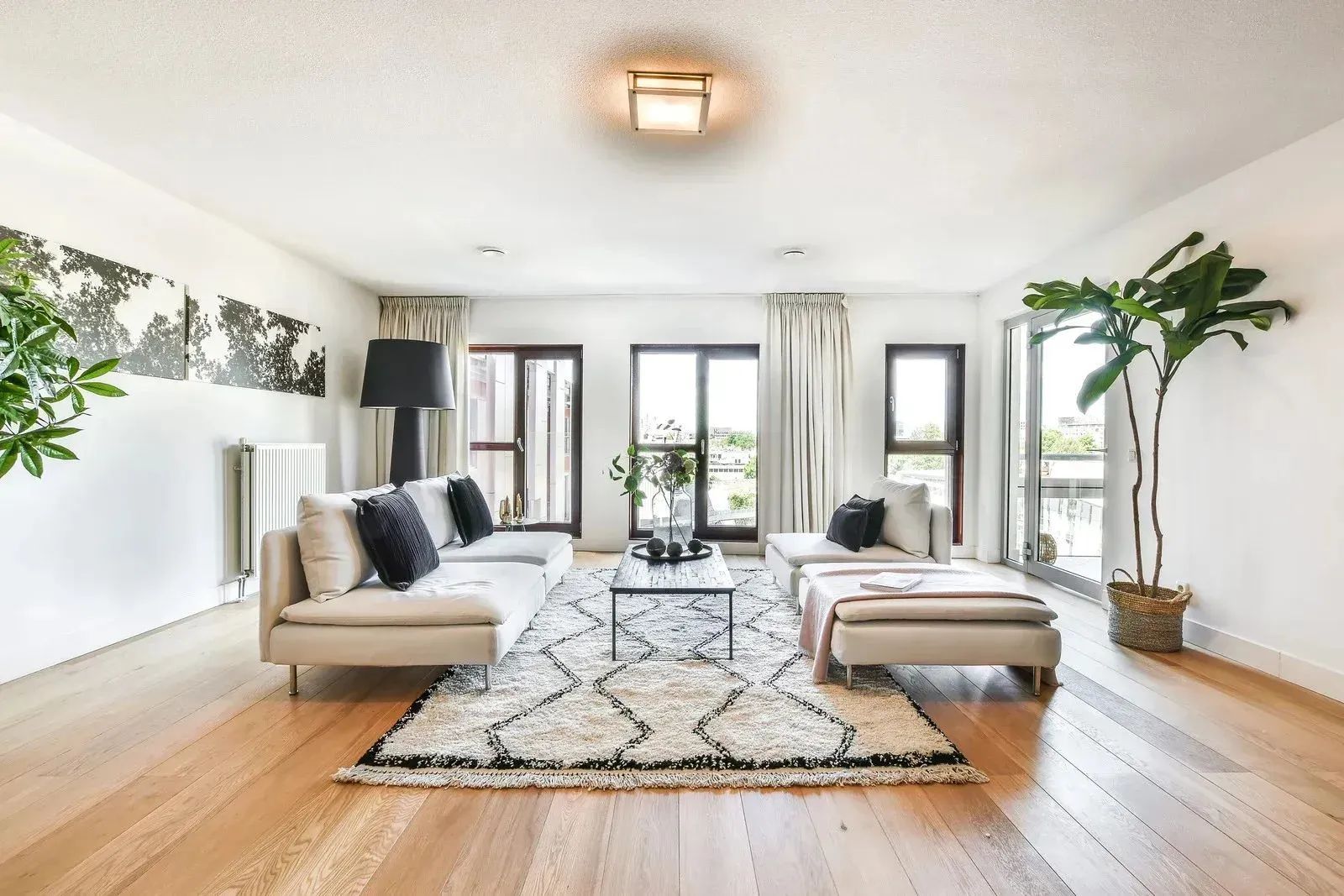
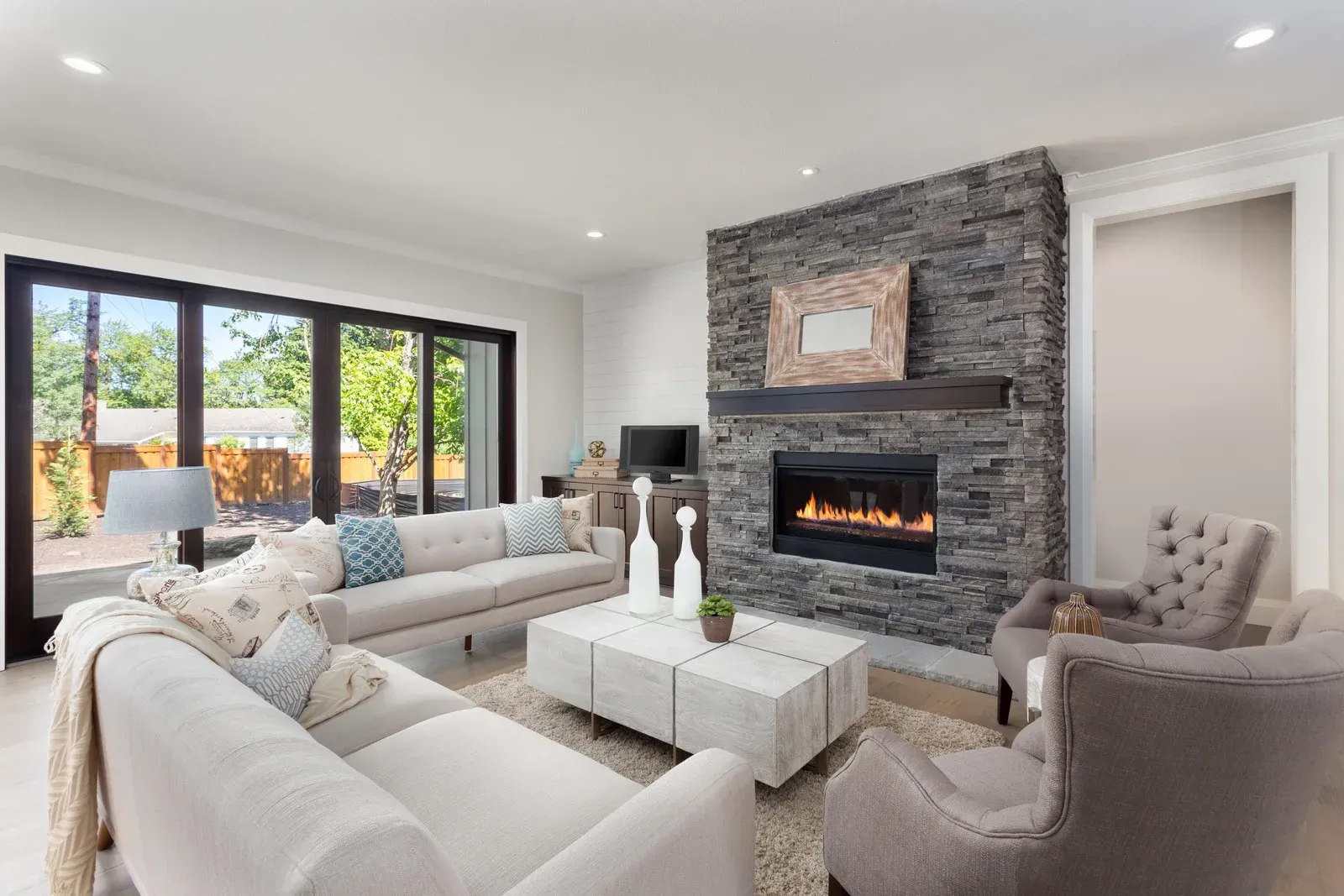
Color influences mood and perception. Light, neutral tones can make rooms feel larger and more inviting, while deeper hues add warmth and character. Homeowners often underestimate how dramatically a fresh coat of paint can transform a room’s atmosphere. Interior painting allows homeowners to express their personality and create spaces tailored to their lifestyle.
Strengthening Surface Integrity
Daily activities cause scuffs, scratches, dents, and stains. Repainting covers imperfections and rejuvenates worn surfaces. More importantly, interior paint adds a protective layer that increases the wall’s resistance to wear. This is especially beneficial for high-traffic rooms such as hallways, children’s rooms, and living areas.
How Interior and Exterior Painting Work Together
Establishing Cohesive Home Design
Even though interior and exterior painting serve different purposes, they contribute to a unified, balanced home. A thoughtfully chosen exterior palette sets the tone for interior color schemes. Homes that follow cohesive design principles feel more intentional and harmonious. This consistency enhances the overall experience of the space and strengthens curb appeal.
Improving Property Value
Real estate professionals consistently emphasize the impact of painting on resale value. A well-maintained exterior provides an immediate positive first impression, while fresh interior paint assures potential buyers that the home has been well cared for. Homes with professional-quality paint jobs often sell faster and for higher prices.
Optimizing Maintenance Across the Entire Home
Painting is an essential component of preventative maintenance. When homeowners only focus on one area, the other may suffer. For example, an immaculate interior loses value when the exterior is neglected and begins showing signs of damage. Likewise, a beautiful exterior cannot compensate for outdated or deteriorating interior surfaces. A balanced painting schedule helps preserve the entire structure.
Common Mistakes Homeowners Make—and How to Avoid Them
Waiting Too Long Between Painting Cycles
One of the most common mistakes is delaying exterior repainting until paint is visibly peeling. By that point, underlying material damage may have already occurred. The ideal repainting cycle depends on climate and materials but generally ranges from 5 to 10 years. Interior painting intervals vary based on room use, but high-traffic areas often need repainting every 3 to 5 years.
Choosing Improper Paint Types
Interior paint is not designed for exterior use, and vice versa. Using the wrong type results in premature peeling, poor adhesion, and surface discoloration. Additionally, sheen selection matters. For example, bathrooms benefit from semi-gloss paint due to moisture resistance, while living rooms often look best with a soft matte finish.
Skipping Surface Preparation
Preparation is often more labor-intensive than painting itself. Exterior surfaces require power washing, scraping, sanding, caulking, and priming. Interior surfaces may need patching, cleaning, or sanding. Skipping these steps diminishes paint performance and shortens lifespan. Proper preparation ensures the coating adheres evenly and lasts longer.
Overlooking Safety and Environmental Factors
Exterior painting requires working at heights, dealing with weather constraints, and handling materials that must withstand outdoor exposure. Interior painting requires proper ventilation and attention to VOC levels, especially in homes with children or individuals with respiratory sensitivities. Understanding these factors helps ensure both safety and quality.
Best Practices for High-Quality Interior and Exterior Painting
Conducting a Thorough Inspection
Start with a full assessment of the home’s condition. Look for cracks, peeling, moisture buildup, mildew, and fading. Early detection helps prevent more complex repairs. An inspection should also include checking caulking, trim, and flashing outdoors, as well as drywall, ceilings, and baseboards indoors.
Choosing the Right Colors and Finishes
Color selection affects aesthetics, lighting, and resale value. For exteriors, consider architectural style, neighborhood trends, and climate influence. For interiors, evaluate natural light, room size, and function. Finish selection also plays a significant role. High-gloss finishes offer greater durability, while matte finishes create elegant, soft aesthetics.
Using Professional-Grade Tools and Materials
High-quality brushes, rollers, sprayers, primers, and paints deliver smoother application and longer-lasting protection. Premium products may cost more upfront but provide better coverage, reduced maintenance, and enhanced durability. Inferior materials often require repainting sooner, increasing long-term costs.
Hiring Skilled Professionals
Painting may seem simple, but achieving long-lasting results requires technical knowledge, precision, and experience. Professionals understand surface preparation, product selection, weather timing, and advanced techniques that ensure seamless, durable finishes. Homeowners who invest in professional painting benefit from the expertise that prevents costly mistakes and delivers consistent quality.
Signs It’s Time for a New Paint Job
Exterior Warning Signs
Peeling, blistering, fading, chalking, or warped siding indicate that the home’s protective layer is compromised. Gaps in caulking or visible wood rot also signal the need for repainting. Homes in regions with harsh weather may show these signs sooner.
Interior Warning Signs
Stains, discoloration, cracking, and scuffing on walls are common indicators. Persistent odors or increased dust may also signify that interior surfaces are no longer properly sealed. Rooms exposed to moisture, such as bathrooms or kitchens, often show early peeling or bubbling.
Performance-Based Indicators
If heating or cooling costs rise unexpectedly, deteriorating exterior paint may be affecting insulation efficiency. Likewise, poor indoor air quality may be linked to outdated paint coatings indoors. Updated paint products often include energy-efficient and eco-friendly benefits.
Both interior and exterior painting serve vital roles in maintaining a home’s health, structure, and beauty. While exterior painting protects against harsh weather, prevents deterioration, and enhances curb appeal, interior painting supports a safe, comfortable, and aesthetically pleasing living environment. When homeowners address both areas consistently, they strengthen the home’s overall resilience, improve property value, and create a cohesive, enjoyable atmosphere. Investing in high-quality paint, thoughtful preparation, and skilled application ensures lasting results that elevate both appearance and performance. Painting is more than a visual update; it’s an essential part of responsible home care.
Expert Recommendations for Complete Home Paint Maintenance
For homeowners seeking exceptional craftsmanship, reliable service, and long-lasting results, Beach Boys Construction stands as a trusted leader in the painting and home improvement industry. Based in Maple Valley, Washington, the company brings 12 years of hands-on experience to every project, offering meticulous attention to detail and a commitment to superior quality. The team understands the importance of both interior and exterior painting, recognizing that each contributes to the home’s structural health, longevity, and visual appeal. Their professionals use premium products, advanced preparation techniques, and industry-specific expertise to deliver finishes that withstand daily use and harsh weather conditions alike.
Beach Boys Construction
is dedicated to helping homeowners protect and enhance their investment. Whether refreshing interior spaces, restoring faded exteriors, or completing full repainting projects, they focus on delivering results that reflect craftsmanship and durability. With a strong reputation for reliability, transparent communication, and customer-centered service, the company ensures every homeowner receives a customized solution tailored to their needs. When quality and longevity matter, Beach Boys Construction
provides the skill and knowledge needed to maintain a beautiful, healthy home for years to come.