
Planning a Garage Addition? What You Need to Know Before You Build
December 17, 2025
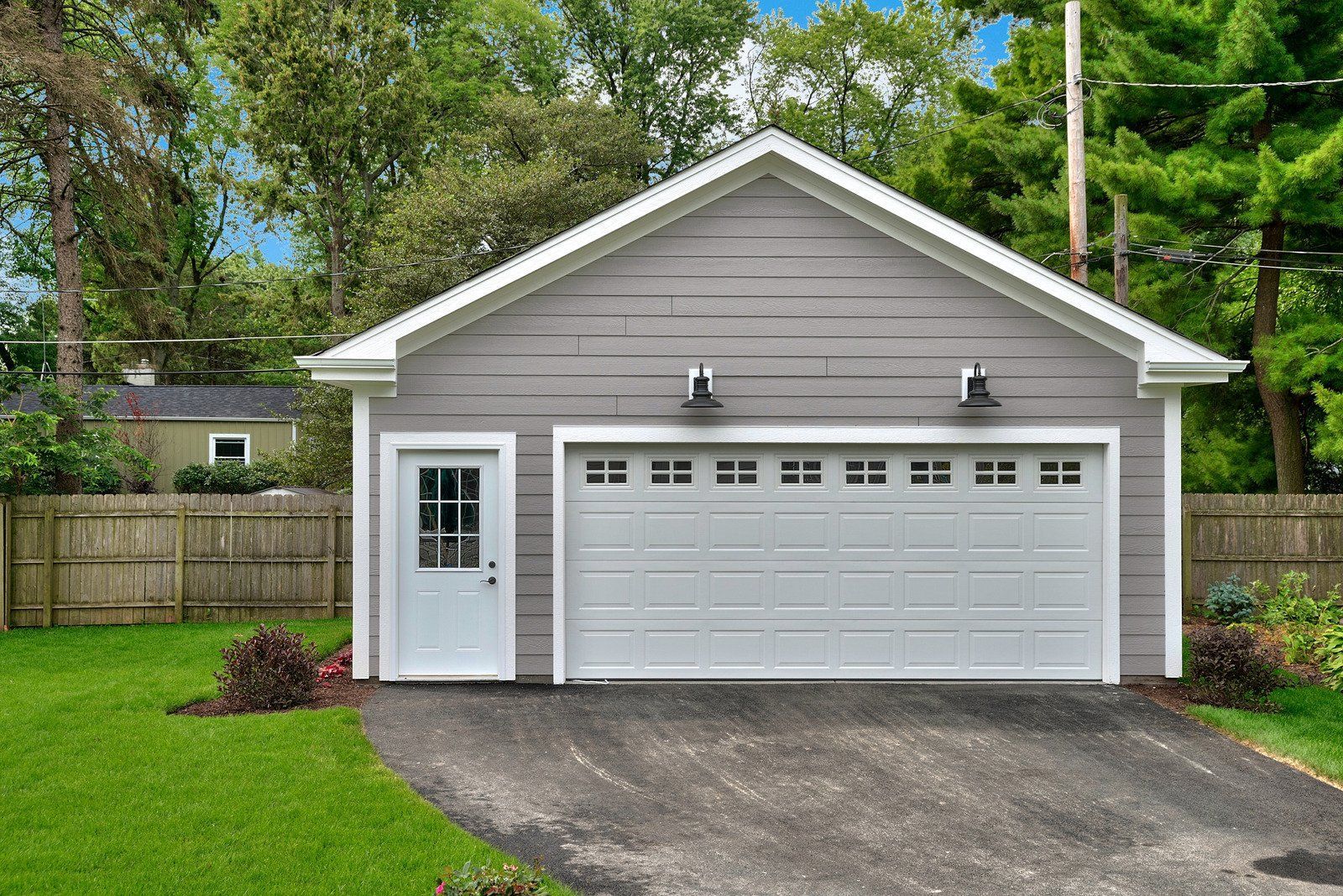
Adding a garage to your property is one of the most practical and value-enhancing home improvement projects a homeowner can pursue. Whether the goal is to create extra storage, protect vehicles, add a workshop, or increase resale value, a garage addition must be approached with thorough planning and careful budgeting. Building a new garage is far more complex than simply placing a new structure on your property. It requires understanding local regulations, evaluating structural compatibility, planning for utilities, and ensuring the new addition complements the overall architecture of your home while maintaining aesthetic cohesion. When these elements are carefully assessed, a garage addition can offer long-term convenience, improved functionality, and measurable property value gains, providing benefits that extend well beyond immediate practical use.
As residential construction trends continue shifting toward more efficient, multi-use spaces, garage additions have become a popular upgrade for both new homeowners and long-time residents seeking versatility. With rising interests in home workshops, organized storage solutions, and expanded parking capacity, garages serve purposes that go far beyond simple vehicle protection, often doubling as hobby areas, exercise zones, or mini-workshops. This makes the planning phase more essential than ever, requiring attention to design, permits, and long-term maintenance considerations. Understanding what is required before breaking ground can prevent unexpected costs, design setbacks, and legal complications while ensuring the structure remains durable. By approaching the project with clarity, informed decision-making, and expert guidance, homeowners can create a durable, practical, and aesthetically pleasing addition that enhances their property for years to come.
Assessing Your Property and Determining Feasibility
Evaluating Lot Size and Setback Requirements
The first and most critical step in planning a garage addition is determining whether your property can legally and physically support the structure. Local building codes typically enforce setback requirements, which dictate how close a building may be to property lines, streets, and neighboring homes. Homeowners often overlook these limitations, resulting in design revisions or permit denials. Reviewing zoning maps and property surveys can help determine where the garage can be placed and what dimensions are allowed.
Considering Terrain, Drainage, and Soil
The topography and soil conditions around your home also influence construction feasibility. Garages require level, stable ground to support the structure and slab foundation. If your property has uneven terrain, slopes, or poor drainage, site preparation may require excavation, retaining walls, or soil compaction. These additional steps increase the project cost but are essential for long-term structural integrity.
Evaluating Access Points and Driveway Requirements
Planning access routes is equally important. A garage addition should integrate smoothly with existing driveways or allow space for a new path. Municipal codes may dictate driveway widths or materials, and homeowners must account for vehicle turnaround space, snow removal, and ease of entry. Ensuring a functional layout prevents congestion and increases garage usability.
Choosing the Right Type and Design of Garage
Attached vs. Detached Garage Options
One of the biggest decisions homeowners must make is whether to build an attached or detached garage. Attached garages typically provide convenience, direct home access, and lower construction costs due to shared walls and utilities. However, they require careful integration with the existing structure and may involve complex design and permitting. Detached garages offer greater flexibility in size, location, and function. They are ideal for workshops, accessory dwelling units, or additional storage, but often cost more due to standalone foundations and separate utility hookups.
Single, Double, or Multi-Car Layout Considerations
The number of vehicles you plan to store influences size and layout. A standard single-car garage typically measures around 12x20 feet, while two-car garages require approximately 20x24 feet or more. However, homeowners should consider future needs as well. Additional storage space, workshop areas, or oversized vehicles may require larger dimensions. Undersizing a garage can lead to long-term inconvenience.
Architectural Harmony and Curb Appeal
A garage addition should enhance your home's visual appeal rather than detract from it. Matching rooflines, siding materials, colors, and trim can create a seamless extension that looks intentional rather than out of place. Architectural balance not only improves aesthetics but also increases property value, as buyers appreciate cohesive exterior design.
Understanding Building Codes, Permits, and Regulations
Navigating Local Building Codes
Every municipality enforces building codes that govern construction standards. These regulations ensure structural safety, fire protection, and energy efficiency. Garages must comply with specific requirements related to wall height, fire-rated materials, ventilation, electrical wiring, and insulation. Homeowners who assume they can bypass these regulations often face costly corrections later in the project.
Permit Requirements and Approval Timelines
A garage addition typically requires multiple permits, including building, electrical, mechanical, and sometimes driveway or grading permits. The permitting process can take anywhere from a few days to several weeks depending on the complexity of the design and local review timelines. Submitting detailed and accurate plans the first time reduces delays.
Homeowners Association (HOA) Guidelines
If your neighborhood is governed by an HOA, additional design guidelines or restrictions may apply. These can include exterior materials, roof pitch, orientation, or even color schemes. Failing to obtain HOA approval before construction begins can lead to fines or forced modifications. Proper planning ensures compliance and smooth project progression.
Planning Structural and Utility Components
Foundation Requirements and Structural Reinforcement
Garages typically require concrete slab foundations designed to support vehicle weight and resist environmental conditions. The foundation must be adequately reinforced with rebar or wire mesh, and in areas with frost, footings may need to extend below the frost line. Homeowners should also consider whether the garage will include storage lofts or attic spaces that require additional structural support.
Electrical System Planning
Even the simplest garage benefits from electrical integration. Lighting, outlets, door openers, heating, and workshop tools require thoughtful planning. Electrical panels must have capacity for additional circuits, and wiring must comply with safety and load requirements. Installing adequate outlets during construction prevents costly upgrades later.
Plumbing, Heating, and Ventilation Considerations
Some garage additions include sinks, utility connections, or climate control systems. If you plan to use the space as a workshop, gym, or hobby room, heating and ventilation can significantly improve comfort and productivity. Options include electric heaters, mini-split systems, or passive ventilation designs. Planning these systems early reduces installation challenges and ensures compliance with mechanical codes.
Budgeting, Cost Factors, and Project Management
Estimating Material and Labor Costs
Costs can vary widely depending on design complexity, materials, and local labor rates. A basic attached garage is generally more budget-friendly, while detached structures with custom features require greater investment. Homeowners must account for framing, roofing, doors, windows, insulation, electrical work, and potential grading costs. Obtaining multiple estimates helps create a realistic budget.
Managing Unexpected Expenses
Even well-planned garage additions may encounter unforeseen costs due to weather delays, soil conditions, or design revisions. Allocating a contingency fund—typically 10–20% of the project budget—helps homeowners navigate surprises without financial strain.
Hiring Reputable Contractors
Choosing qualified professionals ensures the garage is built safely and efficiently. Contractors should be licensed, insured, and experienced in garage construction. Reviewing past projects, reading customer feedback, and verifying credentials provide confidence in their abilities. Clear communication, detailed contracts, and project timelines also contribute to successful construction outcomes.
Enhancing Functionality, Storage, and Long-Term Value
Incorporating Smart Storage Solutions
Beyond parking, garages often serve as storage hubs for tools, holiday décor, sports equipment, and lawn care items. Integrating shelving systems, overhead storage racks, and wall-mounted solutions helps maximize space while reducing clutter. Designing storage during construction creates a more organized and functional environment.
Energy Efficiency and Insulation
Insulating the garage walls and ceiling improves energy efficiency and comfort, especially in attached garages. Proper insulation prevents heat transfer into living spaces and protects stored items from extreme temperatures. Energy-efficient windows, insulated doors, and weatherstripping add extra protection.
Long-Term Durability and Maintenance
Choosing durable materials reduces future repair costs. Weather-resistant siding,
high-quality roofing, and reinforced doors ensure your garage withstands seasonal wear and environmental exposure. Routine maintenance, such as sealing concrete floors or checking door alignment, keeps the space functional for decades.
Expert Insights to Optimize Your Garage Design Choices
When you are ready to move forward with a garage addition, working with a trusted and experienced construction partner makes all the difference. Beach Boys Construction, located in Maple Valley, Washington, brings 12
years of hands-on expertise to residential building projects, including high-quality garage additions tailored to each homeowner’s needs. The company understands how to blend functionality, aesthetics, and regulatory compliance into every project, ensuring homeowners receive results that exceed expectations. Their team provides detailed planning, transparent communication, and reliable craftsmanship from the initial consultation through final completion. With a deep understanding of local building codes, design considerations, and structural requirements, they guide clients through each phase of construction with confidence and clarity. Whether you envision an attached garage, a detached structure, or a multi-purpose workshop space, Beach Boys Construction
delivers durable, long-lasting solutions built with precision and care. Their reputation is rooted in customer satisfaction, technical expertise, and a commitment to quality that homeowners can rely on. For a garage addition that enhances your home’s value, functionality, and curb appeal, Beach Boys Construction
is a dependable partner equipped to bring your vision to life.